
Vertical: Transportation
Application: Digital perception applications, real-time hazard identification, water logging detection, automated operation, maintenance optimization
Ecosystem: China Mobile, ZTE
Private Network: 5G
The Guangzhou Metro rapid transit system has achieved significant operational improvements since implementing a hybrid public-private 5G network. Since adopting a hybrid public-private 5G network to enhance the safety and efficiency of urban rail transit operations, the Guangzhou Metro rapid transit system has reduced its maintenance costs by approximately 20 percent using 5G-enabled digital perception applications for the real-time identification of water logging and other hazards along railway tracks.
This deployment represents part of the larger Guangzhou 5G Smart Transportation City project. In 2020, China Mobile, Guangzhou Municipal Transportation Bureau, ZTE and over 10 other industry partners joined together and announced the world’s first 5G smart transportation city in Guangzhou. The comprehensive project serves the city’s 20 million residents across buses, subways, and high-speed trains.
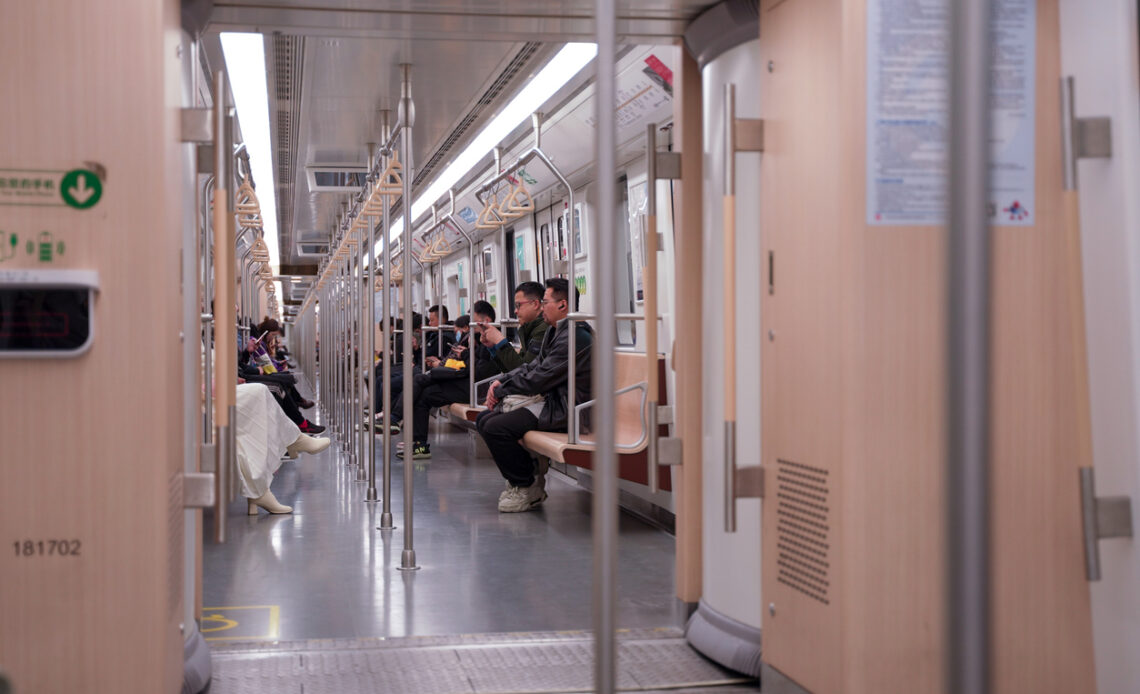
The metro system’s implementation includes several industry-first achievements. The industry’s first 5G smart subway, including the industry’s first 5G subway train, the industry’s first 5G high-precision positioning subway, and the industry’s first 5G private network slicing application subway. These innovations have enabled full-scene intelligent subway services throughout the network.
Operational efficiency gains extend beyond cost reduction to staffing optimization. The full-scene intelligent subway service has been realized; as a result, the operation efficiency has been improved by 20%, saving more than 30% of manpower for the on-site customer service and monitoring position in the station hall. The network supports real-time monitoring and automated systems requiring fewer human operators.
The 5G infrastructure enables advanced digital perception applications that continuously monitor track conditions and identify potential safety hazards. These systems provide real-time detection of water logging and other infrastructure issues that could impact service reliability. The automated hazard identification allows maintenance teams to respond proactively to emerging problems.
Beyond the metro system, the broader Guangzhou transportation network has implemented 5G solutions across multiple transit modes. Through 5G technological innovation and in-depth cooperation with the transportation industry dedicated 5G networks and application systems have been built in multiple fields such as subway, railway, bus, and road-bridge detection, including 5G native trains, 5G train-to-ground communication systems, 5G digital tunnels, 5G high-speed railway early warning systems, 5G under-train detection systems, 5G dispatch buses, etc.
The success has influenced similar deployments in other Chinese cities. In China, the model of Guangzhou 5G Smart Transportation has been replicated, in full or in part, in more than 30 cities. This demonstrates the scalability and effectiveness of the private network approach for urban transportation systems.
The railway marshaling component demonstrates additional efficiency improvements. With a dedicated 5G private network for railway marshaling and production, the integrated automated system reduces the number of front-line production staff from 215 to 150 and the average daily train processing capacity increases from 8,000 to 10,000. This automation increased operational capacity while reducing labor requirements.
Passenger experience improvements complement operational benefits through enhanced digital services. The 5G network supports real-time passenger information systems providing arrival times, seat availability, and traffic conditions. With real-time data, the all-in-one 5G security check machine enables passengers and luggage to pass through the gate quickly, shortening the average turnstile duration during peak hours by 20%.