
Vertical: Energy and Utilities
Application: Real-time monitoring, autonomous inspection robots, connected drones, IoT sensors, remote equipment control
Ecosystem: TIM Brasil, AXIA Energia
Private Network: Private 5G, 4G LTE
| Brazil’s first hydroelectric 5G deployment transforms critical infrastructure connectivity. AXIA Energia’s R$18 million rollout across 20 plants will connect 478,000 people in remote regions while enabling autonomous operations and real-time monitoring at generation sites. |
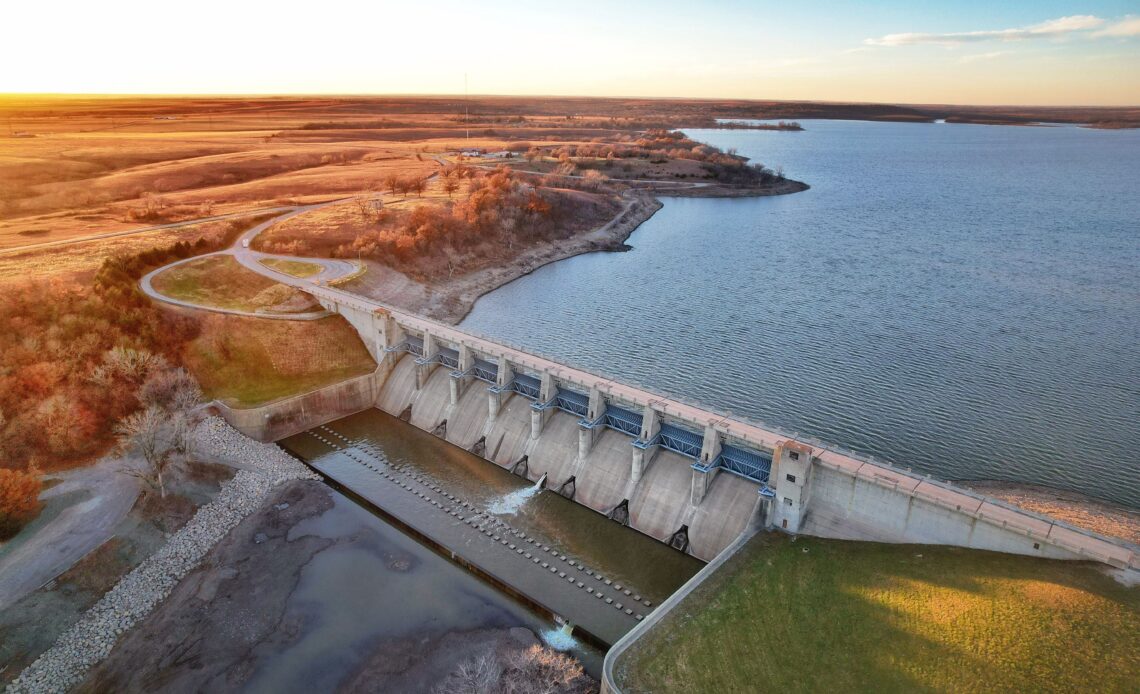
Brazilian energy utility AXIA Energia, formerly known as Eletrobras, has launched the country’s first private 5G network at a hydroelectric facility, with TIM Brasil deploying advanced cellular infrastructure at the Itumbiara plant on the Minas Gerais and Goiás state border. The April 2026 deployment marks the beginning of a nationwide initiative spanning 20 hydroelectric plants and representing R$18 million in initial investment, with the project scheduled for completion by the end of 2026.
The partnership between AXIA Energia and TIM Brasil extends beyond private network infrastructure for industrial operations. The deployment includes both private and public 4G and 5G networks designed to serve dual purposes: supporting mission-critical applications such as autonomous inspection robots and connected drones at the plants while simultaneously expanding mobile coverage to 478,000 people living in remote regions surrounding these facilities. The first phase alone will benefit 185,000 residents, including 35,000 in rural areas across 41 municipalities and 46 districts.
| Metric | Detail |
| Network type | Private 5G and 4G LTE (public and private) |
| Sites | 20 hydroelectric plants (10 first phase, 10 second phase) |
| Coverage | 58 municipalities, 66 districts by completion |
| Beneficiaries | 478,000 people (433,000 urban, 45,000 rural) |
| Vendor | TIM Brasil |
| Operator | AXIA Energia |
| Timeline | April 2026 start, completion end of 2026 |
| Investment | R$18 million (initial 20 plants); R$48 million total planned over two years |
| Rural connectivity | 4,820 rural properties, 13 public schools |
Hydroelectric Sector Embraces Advanced Connectivity
AXIA Energia operates critical hydroelectric infrastructure across Brazil, generating power for millions of customers in diverse geographic conditions. The company’s 20 plants selected for this deployment span from the Amazon region to southern states, including major facilities such as Itumbiara, Furnas, and Serra da Mesa. These remote generation sites have historically faced connectivity challenges that limited real-time monitoring, slowed decision-making processes, and complicated maintenance operations in hard-to-reach areas of sprawling dam complexes.
The decision to deploy private cellular networks reflects a broader trend in the utilities sector toward digitalization and operational technology modernization. Similar to Tampa Electric’s private LTE deployment across Florida, AXIA Energia recognized that dedicated wireless infrastructure could support mission-critical applications while providing security and performance guarantees unavailable on public networks. The hydroelectric environment presents unique challenges, including vast outdoor areas, underground tunnels, and remote locations where traditional fiber connectivity proves impractical or prohibitively expensive.
Technical Architecture and Infrastructure Details
TIM Brasil’s deployment at Itumbiara includes the installation of Brazil’s first 5G station at a hydroelectric facility, designed to provide comprehensive coverage across both indoor and outdoor environments. The network architecture supports simultaneous private and public connectivity, with dedicated spectrum and infrastructure ensuring that industrial applications receive priority bandwidth and low-latency performance. The private 5G network enables connectivity to reach previously inaccessible points of interest throughout the sprawling plant complex, supporting IoT sensor deployments, external equipment control systems, and autonomous vehicle operations.
A notable innovation in the deployment involves two exclusive mobile antennas equipped with solar panels, scheduled for installation at the Furnas and Itumbiara plants. These self-powered mobile units provide deployment flexibility for environments lacking existing electrical infrastructure, a common challenge in remote hydroelectric facilities. The solar-powered antennas can be repositioned as operational needs evolve, supporting temporary connectivity requirements during maintenance projects or providing backup coverage during infrastructure upgrades. This approach mirrors innovations seen in remote connectivity deployments using alternative power sources, addressing the unique constraints of off-grid industrial environments.
Use Cases Driving Operational Transformation
The private 5G network at Itumbiara enables a comprehensive suite of industrial applications designed to transform hydroelectric plant operations. Autonomous robots and vehicles now conduct inspections in hazardous or difficult-to-access areas, transmitting high-definition video and sensor data in real time to control centers. Connected drones perform aerial inspections of dam structures, power lines, and spillways, providing continuous monitoring capabilities that previously required manual inspection schedules and posed safety risks to personnel.
IoT sensor networks deployed throughout the facility monitor equipment performance, structural integrity, and environmental conditions, feeding data into predictive maintenance systems that can identify potential failures before they occur. The real-time data transmission capabilities support faster decision-making processes, allowing operators to respond immediately to changing conditions rather than waiting for periodic reports or manual readings. These use cases parallel applications in other infrastructure-heavy sectors, such as rail transport’s adoption of private 5G for safety-critical systems, where low latency and reliability prove essential for operational success.
Phased Rollout and Expansion Strategy
The deployment follows a carefully structured two-phase approach, with 10 plants receiving connectivity upgrades in the first phase launched in April 2026. This initial group includes strategically selected facilities across multiple states: Itumbiara in Minas Gerais and Goiás, Coaracy Nunes in Amapá, Curuá-Una in Pará, Mascarenhas de Moraes in Minas Gerais, Serra da Mesa in Goiás, Furnas in Minas Gerais, Corumbá I in Goiás, Colíder in Mato Grosso, Luiz Carlos Barreto de Carvalho in São Paulo, and Jaguari also in São Paulo. The geographic diversity ensures TIM Brasil gains operational experience across different terrain types and climatic conditions before expanding to the remaining 10 facilities.
Following the successful completion of the Itumbiara pilot, AXIA Energia plans to extend private 5G coverage to the Santo Antônio and Tucuruí plants, two of Brazil’s largest hydroelectric facilities. The second phase encompasses 10 additional plants including Funil in Rio de Janeiro, Funil in Bahia, São Domingos in Mato Grosso do Sul, Marimbondo in Minas Gerais, Luiz Gonzaga in Pernambuco, Batalha in Minas Gerais, Samuel in Rondônia, Pedra in Bahia, Teles Pires in Mato Grosso, and Porto Colômbia in Minas Gerais. Beyond the initial R$18 million investment for the 20 plants, AXIA Energia has committed an additional R$48 million over the next two years to expand the initiative to other plants and substations throughout its network, demonstrating long-term strategic commitment to connectivity infrastructure.
Community Connectivity as Infrastructure Byproduct
While the private 5G network serves industrial applications, the deployment’s public connectivity component addresses a significant digital divide in rural Brazil. The 478,000 residents who will gain improved mobile coverage live in municipalities where hydroelectric plants represent major economic anchors but where telecommunications infrastructure has historically lagged behind urban centers. By the project’s completion, 433,000 urban residents and 45,000 rural residents across 58 municipalities and 66 districts will benefit from enhanced 4G and 5G connectivity.
The social impact extends to educational and agricultural sectors, with 13 public schools receiving internet access and approximately 4,820 rural properties gaining connectivity. These figures represent meaningful improvements in areas where digital access directly impacts economic opportunity, educational outcomes, and access to government services. The dual-purpose infrastructure model, serving both industrial and community needs, offers a template for future utility sector deployments, similar to approaches seen in telecommunications infrastructure projects in underserved regions. The first phase alone brings connectivity to 150,000 urban and 35,000 rural residents, with 4,580 rural properties gaining access months ahead of the full deployment’s completion.
Investment Framework and Economic Model
AXIA Energia’s R$18 million investment in the initial 20-plant deployment breaks down to R$13 million allocated specifically for the 10 first-phase facilities, with the remaining R$5 million supporting the second-phase plants scheduled for completion later in 2026. This investment covers network infrastructure, equipment procurement, installation, and initial operational costs. The subsequent R$48 million commitment over two years signals AXIA Energia’s intention to standardize private cellular connectivity across its entire generation portfolio, treating advanced wireless infrastructure as essential operational technology rather than an experimental pilot.
The economic model reflects a strategic calculation that improved operational efficiency, reduced safety incidents, faster maintenance response times, and enhanced monitoring capabilities will generate returns justifying the substantial capital outlay. While AXIA Energia has not publicly disclosed specific ROI projections, the deployment’s scope and the company’s commitment to expansion suggest internal financial modeling demonstrates clear value. The investment scale aligns with similar infrastructure modernization projects in the utilities sector, such as port automation deployments where operational gains offset network costs over multi-year horizons.
| [The new antennas will guarantee more security and improved communication, in addition to the digitalization and efficiency gains expected at the plants.] TIM Brasil, Corporate Statement (Translated from original quote) |
| [The partnership with AXIA reinforces our solid experience in projects with major clients, bringing robust and secure connectivity to complex and mission-critical environments.] Fábio Costa, VP of B2B, TIM Brasil (Translated from original quote) |
| [In addition to 4G and 5G antennas with private and public networks, two exclusive TIM mobile antennas with solar panels will be installed at the Furnas and Itumbiara plants. This solution stands out for its flexibility and capacity to bring coverage even to environments without infrastructure.] TIM Brasil, Corporate Statement (Translated from original quote) |
Industry Context and Market Positioning
The AXIA Energia deployment positions Brazil as an emerging leader in private 5G adoption within the Latin American utilities sector. The project is described by industry observers as pioneering in the practical and structured implementation of advanced connectivity in Brazil’s energy generation segment, with no comparable deployments at hydroelectric facilities identified in the market. TIM Brasil’s role as deployment partner leverages the carrier’s experience in enterprise connectivity projects, bringing public network operational expertise to private network contexts.
The timing aligns with broader private 5G market growth, with the sector projected to reach significant scale by the end of the decade. AXIA Energia’s commitment to multi-year expansion, including the planned R$48 million in additional investments, suggests the utility views private cellular networks as foundational infrastructure for the next generation of plant operations. The deployment’s success or failure will likely influence adoption decisions by other Brazilian utilities and potentially across Latin America’s energy sector. The approach shares characteristics with digital transformation initiatives that treat connectivity as an enabler of broader operational technology ecosystems rather than a standalone telecommunications project.
| KEY INSIGHT AXIA Energia’s dual-purpose deployment model, simultaneously supporting industrial automation and community connectivity, demonstrates how utilities can justify private network investments through both operational ROI and social infrastructure contributions. The solar-powered mobile antennas address a critical challenge in remote industrial deployments, offering a template for other infrastructure operators in off-grid environments. |
Related Reading
- Tampa Electric Private LTE Network Deployment with Ericsson, OneLayer, and Burns & McDonnell Secures Mission-Critical Grid Communications Across 2,000 Square Miles of Florida Territory
- Private 5G Network for Rail: Queensland Rail and Ericsson Build ETCS Infrastructure
- Paratus Namibia’s Private LTE and 5G Network Launch
- Deutsche Telekom and Ericsson Bring Private 5G to Hamburg’s Container Terminal Altenwerder
- Digital Twins and Private 5G: The Feedback Loop Explained
- Airtel Madagascar Direct-to-Cell Satellite Trial: SpaceX Starlink NTN Service Successfully Connects Standard 4G Handsets in Remote Sadabe Without Terrestrial Infrastructure
Frequently Asked Questions
Q1: What makes the Itumbiara hydroelectric plant deployment significant for Brazil?
Itumbiara became Brazil’s first hydroelectric facility with private 5G technology when AXIA Energia and TIM Brasil activated the network in April 2026, pioneering structured advanced connectivity deployment in the country’s energy generation sector.
Q2: How many people will benefit from connectivity improvements in this deployment?
The deployment will provide improved mobile coverage to 478,000 people living in remote regions surrounding the 20 hydroelectric plants, including 433,000 urban residents and 45,000 rural residents across 58 municipalities and 66 districts by completion.
Q3: What industrial applications does the private 5G network support at hydroelectric plants?
The network enables autonomous inspection robots, real-time connected drones for aerial surveys, IoT sensor deployments for equipment monitoring, external equipment control systems, and enhanced real-time data transmission supporting predictive maintenance and faster decision-making.
Q4: What is the total investment for the AXIA Energia private network deployment?
AXIA Energia committed R$18 million for the initial 20 hydroelectric plants, with R$13 million allocated to the 10 first-phase facilities. An additional R$48 million is planned over the next two years for expansion to other plants and substations.
Q5: How does the deployment address connectivity challenges in remote industrial environments?
TIM Brasil is installing two exclusive mobile antennas equipped with solar panels at Furnas and Itumbiara, providing flexible, self-powered connectivity solutions for environments without existing electrical infrastructure, addressing off-grid operational requirements.
Q6: What is the timeline for completing the 20-plant deployment?
The deployment began in April 2026 with 10 first-phase plants and is scheduled for completion by the end of 2026. Following the Itumbiara pilot, Santo Antônio and Tucuruí plants will be next to receive private 5G infrastructure.